
The Houston Rockets made a quiet roster move this week that carries strategic implications for the rest of the season. According to NBA insider Jake Fischer, the Rockets waived veteran Kevon Harris in order to sign young forward Tyler Smith to a two-way contract.
Although transactions involving two-way slots rarely draw widespread attention, this adjustment reflects how carefully Houston continues to manage its depth and long-term development pipeline.
Report: Rockets Expected to Adjust Roster with Two-Way Signing
Houston opened the two-way spot by releasing Harris, who had been playing well with the Rio Grande Valley Vipers, the Rockets’ G League affiliate. His production included 19.4 points per game on strong shooting splits, along with consistent rebounding and physicality on the wing.
However, at 28 years old, Harris sits on a different developmental timeline than the rest of Houston’s emerging talent core. As a result, the organization opted to shift toward a younger prospect with a longer runway for growth.
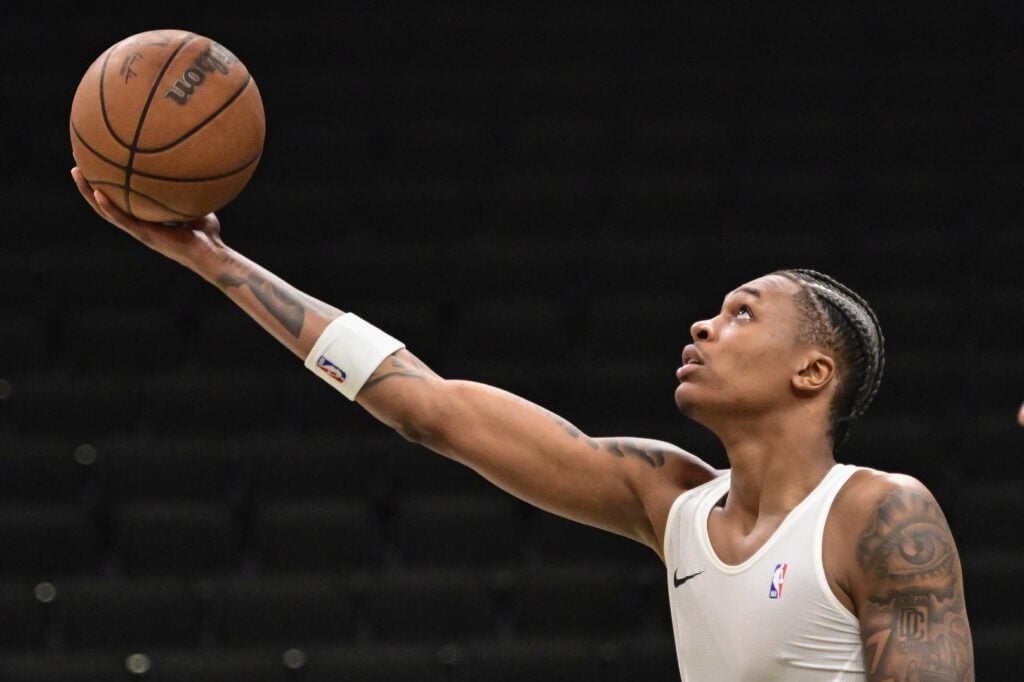
That prospect is Tyler Smith. Standing 6-foot-9 and offering significant versatility, Smith was selected 33rd overall by the Milwaukee Bucks in the 2024 NBA Draft. His pre-draft profile highlighted a blend of athleticism, size and smooth shooting mechanics, traits that caught the attention of multiple teams.
Although NBA minutes have been limited for Smith so far, he displayed encouraging flashes during his time with Milwaukee and produced efficient stretches in the G League.
Across three seasons in the G League, Smith averaged 12.4 points while shooting effectively from the field and providing 5.4 rebounds in under 24 minutes per game. These numbers support the idea that he has long-term value, particularly for a franchise that prioritizes modern skill sets and floor spacing.
With the Vipers known for strong player development, Smith joins a proven system designed to maximize young players who arrive with raw but promising tools.
Why Houston Chose Development Over Familiarity
The decision to waive Harris was not related to performance, since he contributed reliable scoring for the Vipers and brought veteran steadiness to the group. Instead, the move reflects a clear organizational philosophy.
Since the Rockets already possess one of the deepest NBA rosters in the conference, they use the back end of their depth chart to cultivate players who could fit the long-term model. The Rockets’ move to waive the veteran underscores this focus.
Smith now joins JD Davison and Isaiah Crawford as Houston’s three two-way players. That group forms the foundation of the organization’s developmental strategy for the season.
Davison recently earned meaningful NBA minutes and provided energy off the bench. Crawford primarily remains with the Vipers, where he continues refining his game. Smith fits neatly into this structure, since he brings positional size and shooting potential that align with Houston’s evolving identity.
Furthermore, two-way players can be called up for NBA action at any point in the season. This flexibility is beneficial for contenders that want to maintain competitive depth during injuries or dense stretches in the schedule.
Smith will likely spend the initial portion of his Rockets tenure with the Vipers, although the organization has already demonstrated a willingness to reward strong G League performances with NBA opportunities.
What This Means for Houston Moving Forward
As the Rockets continue building toward a postseason run, their long-term planning becomes essential. The decision to adjust the back end of the roster positions the team to develop talent that can eventually contribute at the NBA level.
While Harris leaves with a credible résumé that should generate interest from other franchises, Houston views Smith as a prospect with growth potential that suits their current trajectory. This sequence also gives the Rockets coaching staff and development team a fresh opportunity to refine a young forward with desirable traits.
If Smith thrives with the Vipers, he could eventually earn meaningful minutes in Houston or grow into a valuable asset. The Rockets have placed significant trust in their developmental infrastructure, and this move aligns completely with that approach.
Although the transaction does not affect the main rotation, it reinforces the organization’s broader philosophy. The Rockets have constructed a roster built around youth, versatility and long-term upside. Smith represents another piece of that vision, and his arrival could offer benefits throughout the season.
© Chris Nicoll-Imagn Images
The post Report: Rockets Expected to Adjust Roster with Two-Way Signing appeared first on Last Word On Basketball.