LOS ANGELES – The Los Angeles Lakers have spiraled through their fourth straight loss. Tuesday’s defeat dropped them to fifth at 22–11. The Western Conference remains ultra-competitive and top-heavy. During this slide, critics have targeted defense and rebounding. The question deserves closer inspection.
Myth Busters: Are The Lakers A Bad Rebounding Team?
Defensive Decline Fuels the Narrative
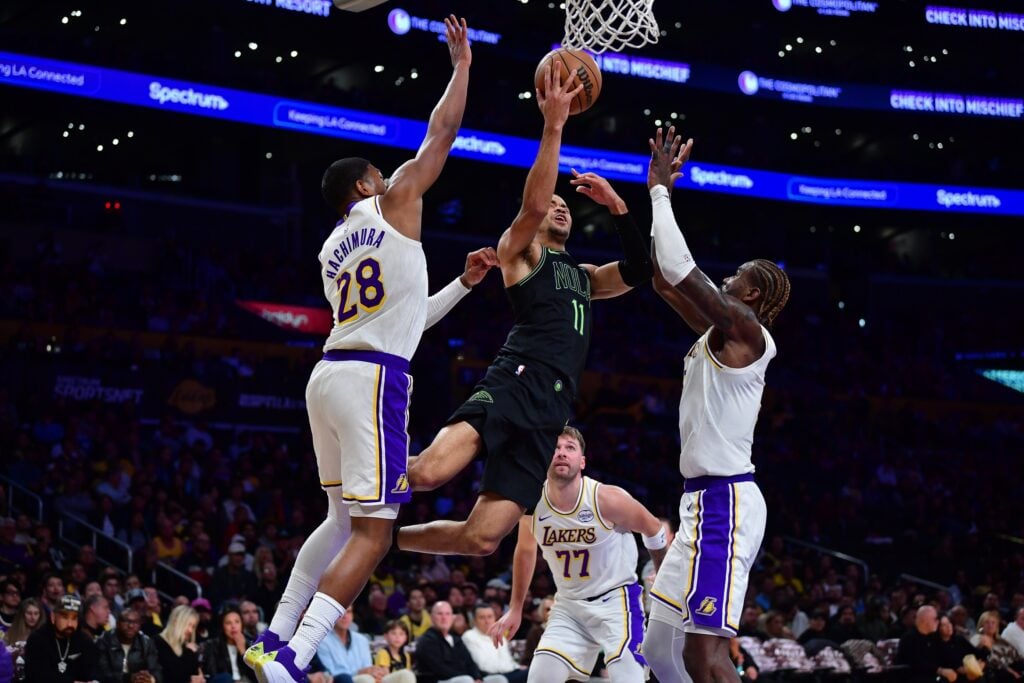
The Lakers have well-known defensive issues. The team has slid from a middling unit into a bottom-five defense. That decline has coincided with a tougher schedule and LeBron James’ return. The defense holds firm in some areas and collapses in others. The Lakers protect the paint reasonably well, ranking 13th leaguewide. DeAndre Ayton’s effort has driven that success. The perimeter defense tells a different story. Opponents shoot threes at the second-best rate in the league against Los Angeles. That gap explains the overall defensive ranking. The roster lacks elite defensive talent. The season has confirmed that reality.
The Rebounding Criticism Needs Context
Rebounding criticism demands nuance. The Lakers are a big team by NBA standards. That size has not translated into raw dominance. They rank 27th in total rebounds. That number misleads without context.
Los Angeles ranks bottom five in defensive rebounds per game. Opportunity explains much of that result. The Lakers actually excel on the defensive glass. They rank 11th in defensive rebounding rate. Their porous defense and slow pace limit rebounding chances. When shots miss, they secure boards at a solid rate. The process works better than the totals suggest.
Offensive Rebounding and Shot Quality
The Lakers struggle more on the offensive glass. They rank near the bottom five in offensive rebounds. Their offensive rebounding rate ranks 18th. That approach reflects philosophy, not neglect. Los Angeles values shot quality over volume. The team ranks second in true shooting percentage. Teams that miss more shots rebound more. The Lakers simply miss less. Their slow pace funnels possessions through primary creators like Luka Dončić and Austin Reaves. Fewer possessions mean fewer rushed attempts. The offense leans on half-court sets, post mismatches, and deliberate pick-and-rolls.
The Lakers also sacrifice offensive rebounds by design. They usually send only one player to the glass. Ayton led that effort early. Jarred Vanderbilt now shares the role. Others retreat to protect floor balance. That choice suppresses offensive rebounding rates. It limits transition chances for opponents. The trade-off remains strategic, not structural. This approach explains their middle-of-the-pack transition defense. That mark stands despite limited speed and athleticism. Like most defensive metrics, December has dragged it down.
Ayton’s Importance and the Roster Risk
The Lakers rely heavily on Ayton. That dependence raises concern. The roster features many power-forward archetypes, even at guard so they shouldn’t be so reliant on him. Ayton has played the second-most games on the team. An injury would derail the season. Even a short absence could squander momentum. LeBron’s rebounding decline shows clearly with his rebounding rate of 7.7, the lowest of his career since his rookie season. Rui Hachimura has never rebounded well at the four. Luka, consistently a strong rebounder, is having one of his worst years on the boards (8.2 RPG and 11.6%). All these factors combine to make the Lakers a bad rebounding team.
The Lakers need a more reliable backup big. Brooklyn’s Day’Ron Sharpe offers an immediate upgrade. He addresses the concern directly.
Credit: © Gary A. Vasquez-Imagn Images