
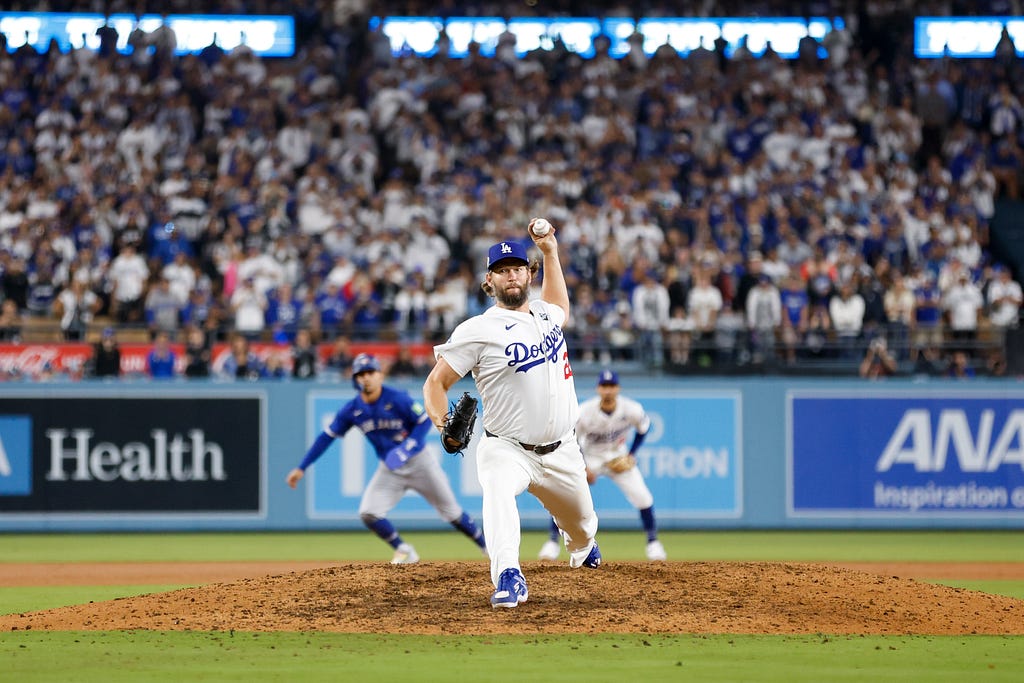
Editor’s note: This is the second in a series of three stories looking back at the legendary career of the recently retired Clayton Kershaw.
Previous story:
Part 1: The beginning of something big
by Cary Osborne
Baseball history will show that Kershaw is one the greatest pitchers all time. But there were so many layers to him during his 18-year playing career.
He has been an intriguing figure with range — the equivalent of a musician who changed with the times and attracted a cross-generational fanbase, or an actor who could step into any genre and deliver an award-winning performance.
Kershaw excelled as a pitcher in his 20s and again in his 30s.
Kershaw was a seven-time All-Star in his 20s. He had a .692 winning percentage and a 2.36 ERA.
He was a four-time All-Star in his 30s. Kershaw had a .712 winning percentage and a 2.89 ERA.
Though he was a creature of habit — often wearing the same faded, sleeveless T-shirt in pregame and the same salt-stained Dodger cap — he evolved as a pitcher.
The pitch sequence to the final batter of Clayton Kershaw’s Major League career went like this: SLIDER, SLIDER, SLIDER, SLIDER, SLIDER, SLIDER, 92 MPH FOUR-SEAMER, SLIDER.
When he made his Major League debut on May 25, 2008, he was a two-pitch pitcher — mid-90s fastball and devastating curveball.
Kershaw threw a changeup as a high school pitcher, and he brought it into his early Major League career before ultimately diminishing it to a rare occurrence. The slider made its appearance in 2009 and steadily moved up on the chart of Kershaw pitches, until the final five years of his career, when it became his primary pitch.
He could hit. And he liked to hit.
Kershaw’s biggest moment as a hitter was his solo home run on Opening Day 2013, when he led off the top of the eighth inning in a scoreless game on April 1 and hit a solo home run over the wall in center field. Then he finished off the Giants in the top of the ninth inning to complete a shutout.
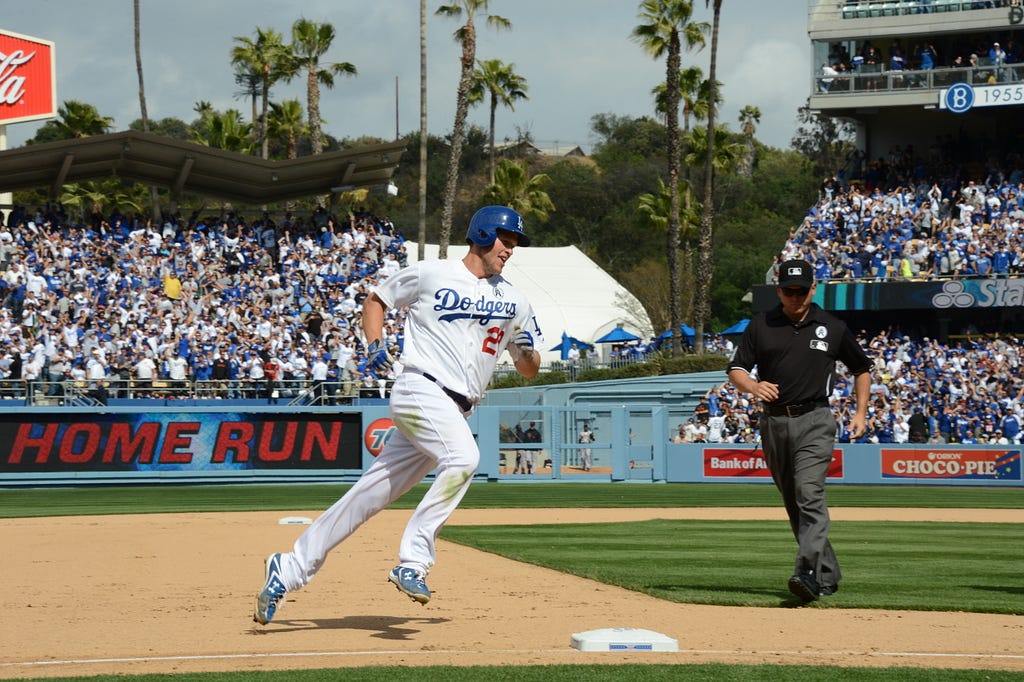
But Kershaw was held in enough regard as a hitter that he was — pre-designated hitter — used seven times by the Dodgers as a pinch-hitter.
Kershaw may have been at his most multi-dimensional during the 2016 National League Division Series against the Washington Nationals.
Kershaw won Game 1 of the series on the mound. He doubled in Game 4. He earned the save in Game 5, getting the final two outs in Washington to send the Dodgers to the National League Championship Series.
He is a three-time World Series champion, and his postseason story is compelling — completed by a happy ending.
Yes, there were highs and lows during his postseason career. The highs include the third-highest postseason game score by a pitcher in Dodger history when he struck out 13 over eight scoreless innings in the 2020 NL Wild Card Series against the Brewers. It includes two wins in the 2020 World Series. There are games that went the other way — cruel fate against St. Louis in 2012 and 2013 and against Arizona in 2023, for example.
But the final out of his career was a critical postseason moment for his team — the seven sliders and one fastball to Toronto’s Nathan Lukes. It is even more critical after what happened in the rest of the World Series.
Kershaw entered Game 3 of the 2025 World Series in the top of the 12th inning with the bases loaded, two outs and the score tied 5–5.
In that moment, considering past postseasons and Kershaw’s previous postseason performance (having allowed five runs in two innings to the Phillies in Game 3 of the National League Division Series), Kershaw was stepping into the ring a fighter on the ropes before the bell ever rang.
But each pitch was a punch.
The eighth landed.
Lukes grounded out on a 3–2 count to end the inning.
If it goes the other way and Lukes gets on and the Blue Jays score, there might be a different 2025 World Series champion.
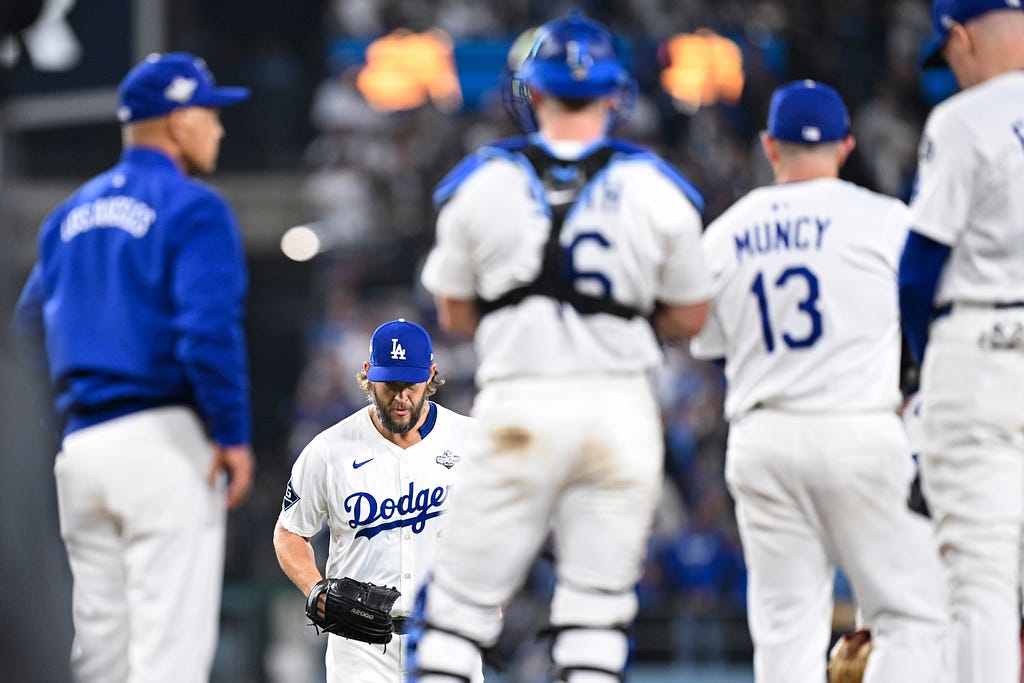
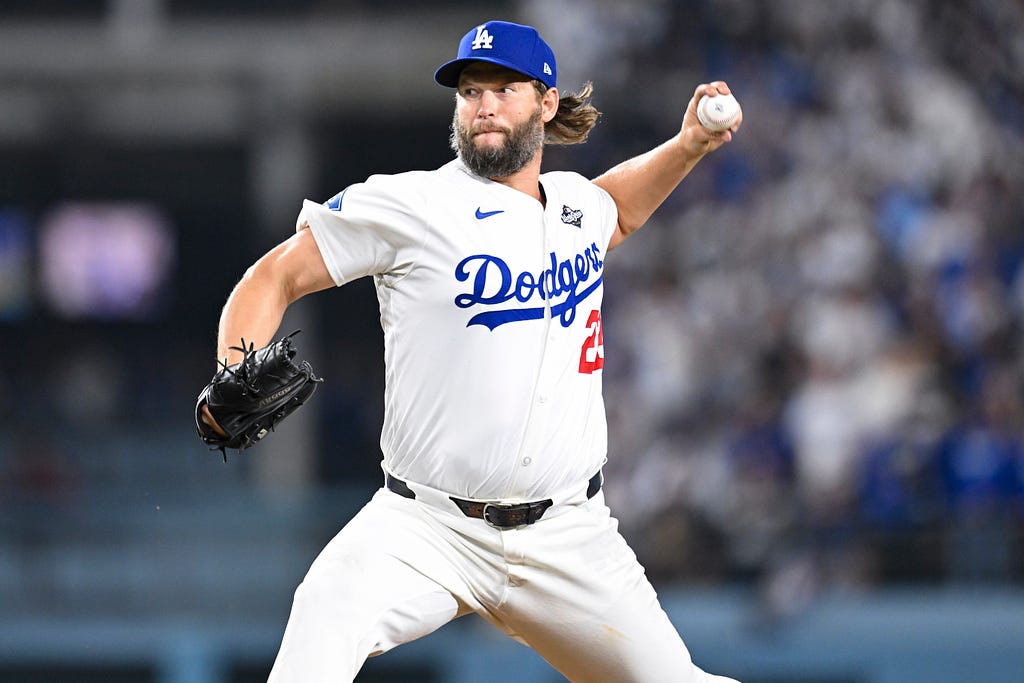
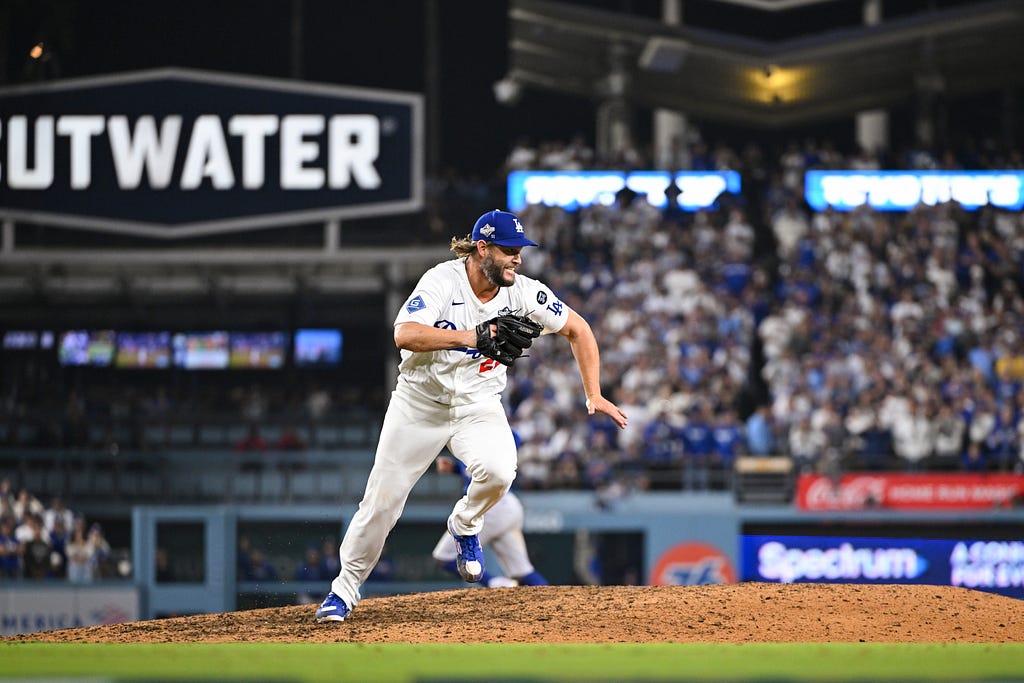
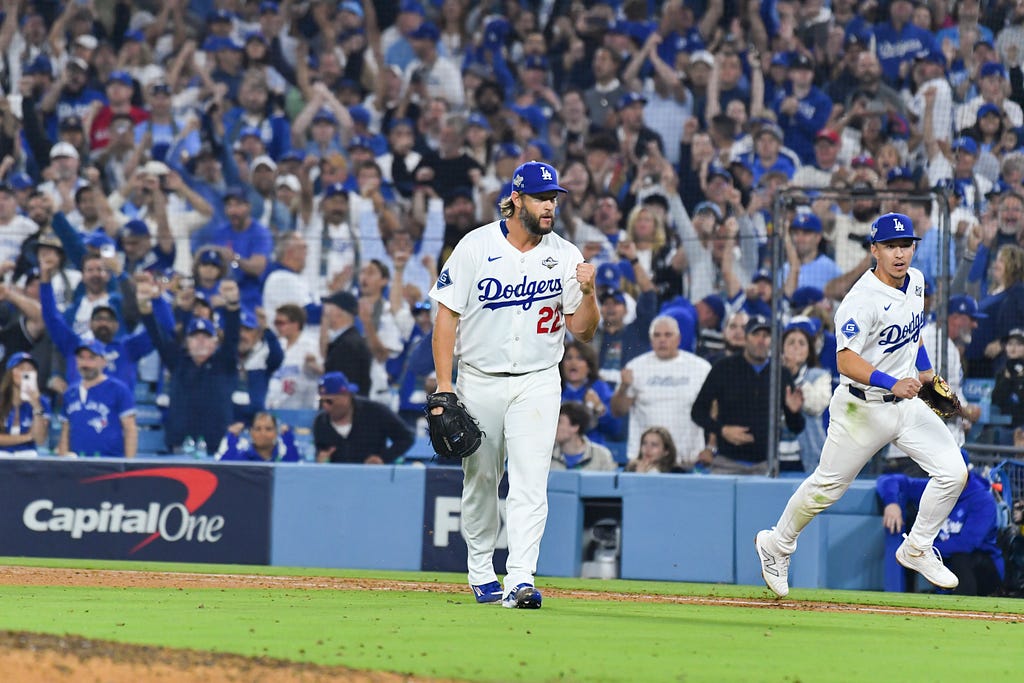
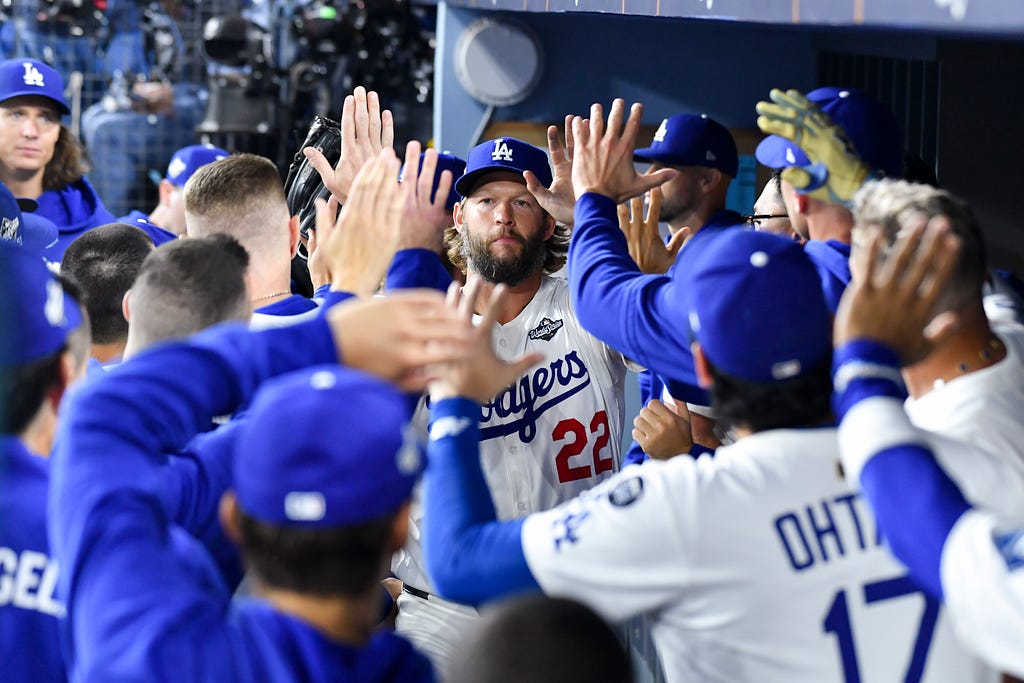
At 37 years old, Kershaw had completed his body of work. It was a career that was excellence on and off the field.
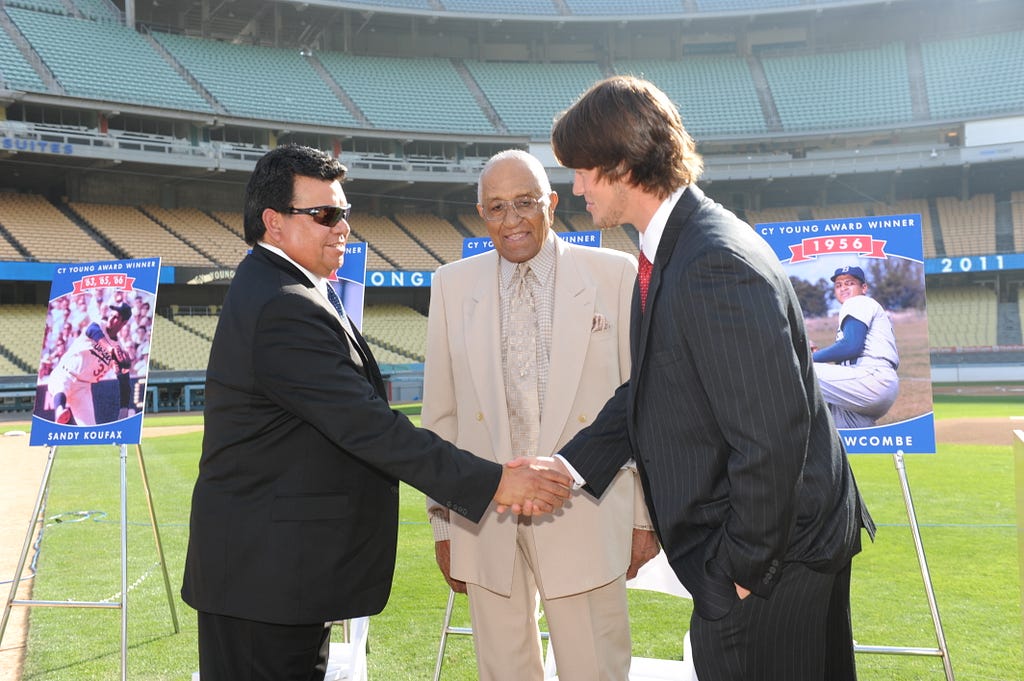
At 23 years old, he was a Cy Young Award winner. He was the best pitcher in baseball in 2011, achieving the triple crown of National League leader in wins, ERA and strikeouts. At 37, he was an All-Star for the final time, was 11–2 and reached the legendary 3,000-career strikeout mark. And he won a World Series title. Between that were two more Cy Young Awards and a National League MVP Award and a no-hitter in 2014 among the many achievements.
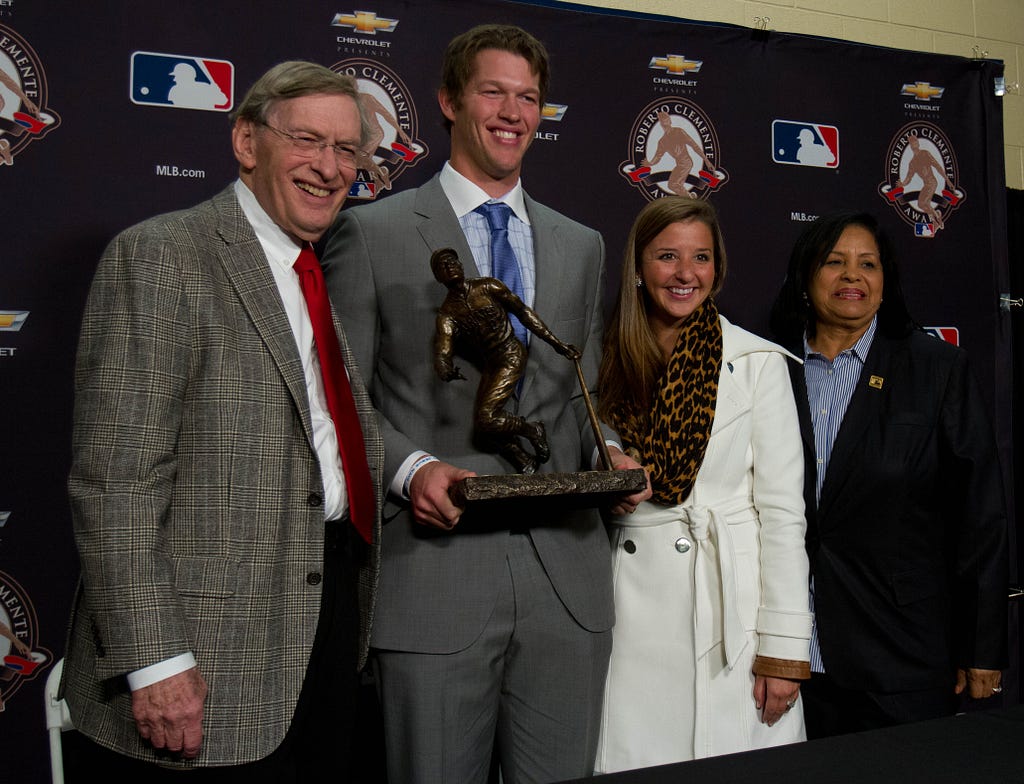
Kershaw was only 24 years old when he received the Roberto Clemente Award. By his fifth Major League season, he was already regarded as more than just a model player for his sport but a deeply thoughtful and caring individual who represented the best of baseball.
His impact on at-risk youth in Los Angeles, in his hometown Dallas and in Zambia, Africa — where he and his wife Ellen built an orphanage called Hope’s Home — through Kershaw’s Challenge was a greater legacy he could leave than what he accomplished on a Major League mound.
And he kept building on it — regionally, nationally and globally. The Kershaw’s support of the Los Angeles Dodgers Foundation and Dodger community initiatives in sports, education and racial justice, as well as disaster relief efforts (the pandemic in 2020 and wildfire relief in 2025) are additional examples of the broad range of impact Kershaw has made.

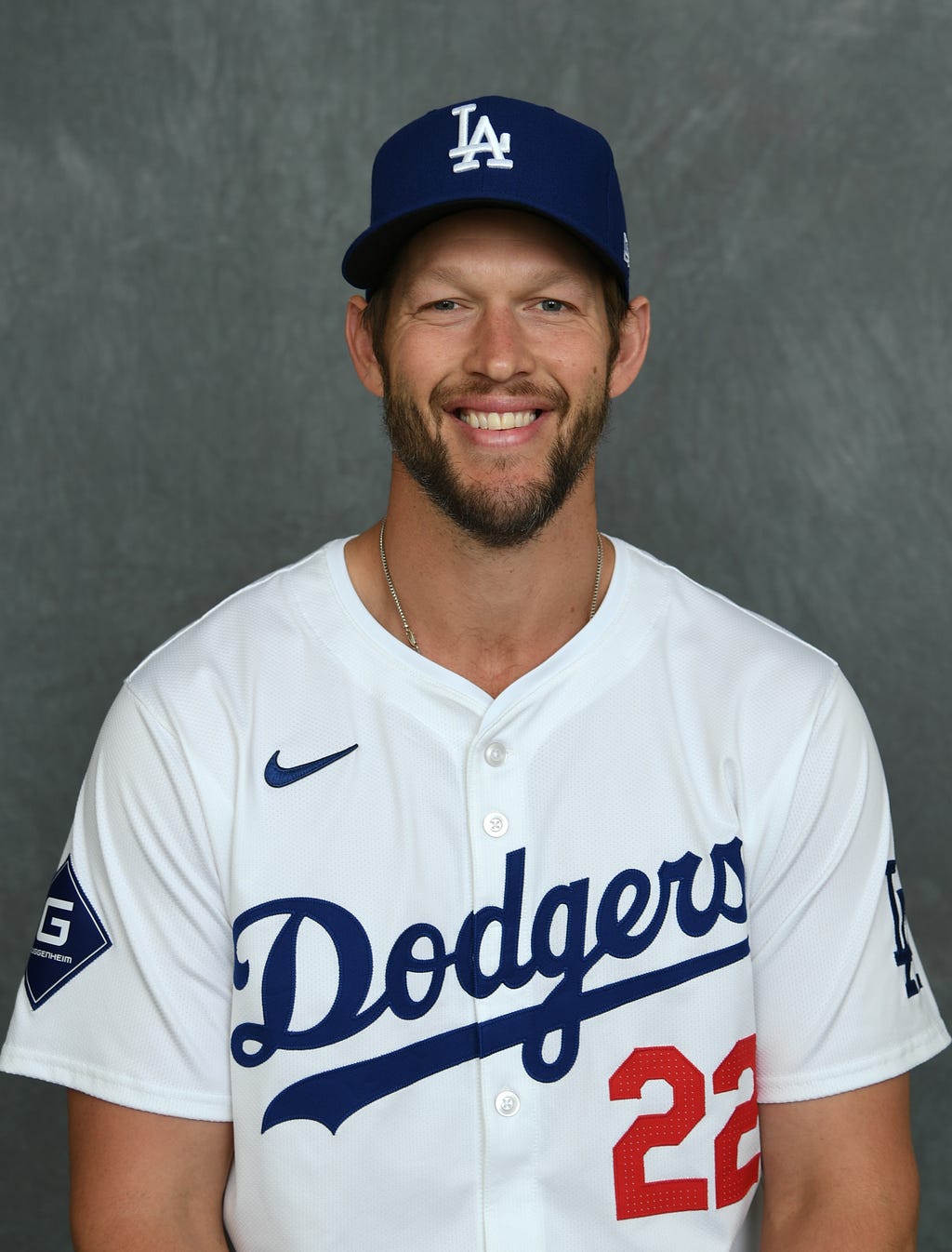
Clayton Kershaw’s 18-year career was many things: Distinct, dynamic, prolific, purposeful.
Here’s how he put it:
“I’ve always kind of downplayed the whole legacy thing,” Kershaw said. “I think baseball legacy will stop. At the end of the day, there’s always going to be somebody bigger, better, stronger, faster that beats all your records, does all your things. So it’s the relationships and what your peers think of you that matter. To the guys in the clubhouse, the guys that you spend every day with, that’s what I want to remember. That’s the opinions that matter to me. And so, I hope I left a good impression.”
Kershaw, Part 2: A dynamic career was originally published in Dodger Insider on Medium, where people are continuing the conversation by highlighting and responding to this story.